How Siding Companies Get Referrals from Realtors: A Proven Partnership Strategy
October 10, 2026 · 10 min read
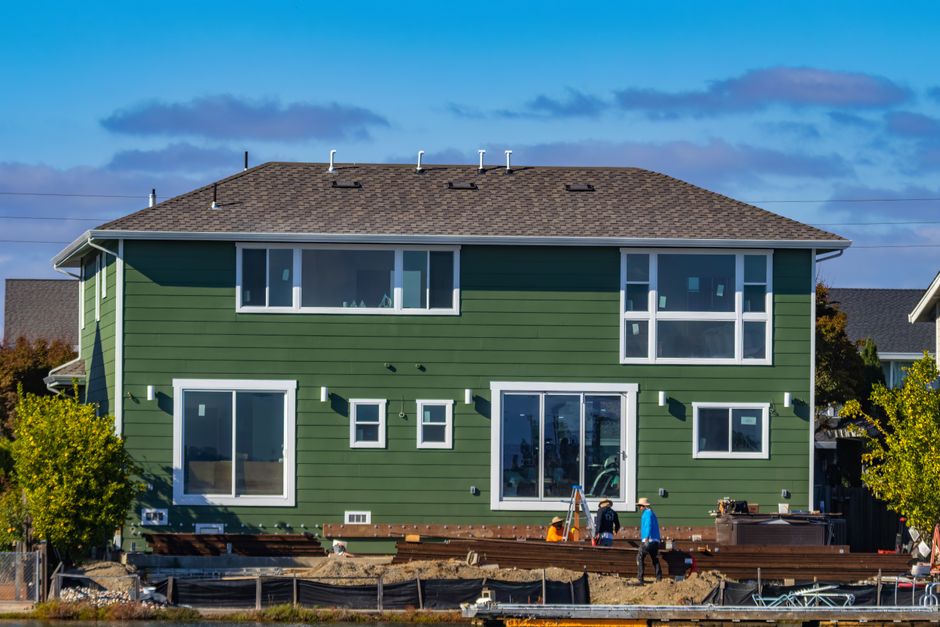
Real estate agents see dozens of homes every month that need exterior work before listing or after inspection. When they have a trusted siding contractor in their network, everyone wins: the homeowner gets quality work, the agent closes deals faster, and you get pre-qualified leads without advertising costs.
The challenge? Most siding companies approach realtors the wrong way—or don't approach them at all. This guide shows you exactly how successful siding contractors build referral relationships with real estate professionals that generate consistent business year after year.
Why Realtors Are High-Value Referral Partners for Siding Companies
Real estate agents operate in a unique position that makes them exceptional referral sources for siding contractors. Unlike random online leads, realtor referrals come with built-in advantages that make them worth prioritizing in your business development strategy.
First, realtors work with homeowners who have immediate needs and budgets already allocated. When an agent refers your siding company, the homeowner is typically motivated by a deadline—either preparing a home for market or addressing inspection issues before closing. These aren't tire-kickers browsing estimates; they're ready to move forward.
Second, real estate professionals refer repeatedly. A single productive relationship with an active agent can generate 5-15 referrals annually. Top-producing agents in your market might sell 30-50 homes per year, and a significant percentage will need exterior work.
Third, realtor referrals come with implicit trust already established. When an agent recommends your siding company, their professional reputation backs your credibility. This dramatically shortens your sales cycle and increases your closing rate compared to cold leads.
Understanding What Realtors Need from Siding Contractors
Before you reach out to real estate agents, you need to understand their business pressures and what makes a contractor valuable to them. Realtors don't refer siding companies as a favor—they do it because reliable contractors help them close deals and satisfy clients.
Real estate agents need contractors who respond quickly. When a home inspection reveals siding damage, the clock starts ticking toward closing day. Agents need siding contractors who answer calls, provide estimates within 24-48 hours, and can schedule work promptly. Your responsiveness directly impacts their commission checks.
They also need contractors who communicate professionally with their clients. Remember, the homeowner is the agent's client first. Realtors want siding companies that show up on time, explain work clearly, provide detailed written estimates, and treat homeowners with respect. Any negative experience reflects on the agent who made the referral.
Pricing transparency matters enormously. Agents can't risk referring contractors who lowball estimates to win jobs, then surprise homeowners with change orders. They need siding companies that provide accurate, comprehensive quotes upfront and stick to them.
Finally, realtors value contractors who understand real estate timelines. They need siding work completed before listing photos, before open houses, or before closing dates. Your ability to work within these constraints makes you valuable.
Building Your Credibility Before Reaching Out
Smart siding contractors establish credibility before asking realtors for their business. When you approach real estate professionals with proof of reliability already in place, you're starting from a position of strength rather than making cold pitches.
Start by ensuring your online presence reflects professionalism. Realtors will Google your company before referring you. Your website should showcase completed projects with before-and-after photos, display your licensing and insurance information prominently, and include testimonials from satisfied customers. If your digital presence looks amateur or outdated, agents won't risk their reputation on you.
Build a portfolio specifically relevant to real estate transactions. Document siding projects you've completed for home sales—exterior refreshes that helped homes sell faster, pre-listing upgrades, and post-inspection repairs. Create a simple PDF or photo gallery showing these projects with brief descriptions of the timeline and scope.
Secure proper licensing and insurance coverage. Realtors work in a liability-conscious industry. They need to know you carry general liability insurance (typically $1-2 million) and workers' compensation if you have employees. Make copies of your certificates of insurance readily available.
Collect testimonials that speak to qualities realtors care about: responsiveness, reliability, quality workmanship, and professionalism. Video testimonials from past clients or written reviews mentioning how you helped with their home sale are particularly powerful.
Strategic Approaches to Connect with Real Estate Agents
Once your credibility foundation is solid, you need strategic approaches to connect with realtors in your market. Random networking rarely works—you need intentional relationship-building tactics.
Target agents who sell in neighborhoods where you want to work. Research top-producing agents in your service area using local MLS data or websites like Zillow and Realtor.com. Focus on agents who handle homes in the age range and price point where siding work is common—typically homes 15-40 years old in middle to upper-middle-class neighborhoods.
Attend open houses in your target areas. This gives you natural opportunities to introduce yourself to listing agents in a low-pressure environment. Bring a business card, mention you're a local siding contractor, and if appropriate, offer a professional observation about the home's exterior. Don't pitch—just establish a friendly connection.
Join local real estate investor associations. Many realtors who work with investors attend these meetings. Investors frequently need siding work on flip properties, and the realtors who serve them need reliable contractor networks. These groups provide repeated exposure and relationship-building opportunities.
Offer educational value through lunch-and-learn sessions. Contact real estate offices and offer to provide a free 30-minute training on "What Agents Should Look for During Exterior Home Inspections" or "How to Spot Siding Issues That Will Impact Closing." This positions you as an expert while giving you face time with multiple agents.
Create a realtor-specific referral program with clear benefits. Develop a simple one-page document explaining what agents can expect when they refer your company: response time guarantees, transparent pricing, timeline commitments, and perhaps a referral thank-you gift for closed projects. Make it easy for them to understand the value of working with you.
Maintaining Relationships That Generate Ongoing Referrals
Getting an initial referral from a realtor is just the beginning. The real value comes from building relationships that generate consistent referrals over months and years. This requires systematic follow-through and relationship maintenance.
Deliver exceptional service on every realtor referral. When an agent refers you, treat that project as an audition for future referrals. Respond faster, communicate more thoroughly, and go slightly above expectations. The homeowner will report back to their agent, and that feedback determines whether you get referral number two.
Close the loop with referring agents. After completing work from a realtor referral, send a brief thank-you note or email to the agent. Let them know the project is complete, the homeowner was satisfied, and you appreciate their confidence in your company. This simple gesture keeps you top-of-mind.
Stay visible without being annoying. Send quarterly check-in emails to agents in your network with genuinely useful content—seasonal exterior maintenance tips their clients can use, local market insights about home improvement ROI, or brief updates about your company's capabilities. Provide value, not sales pitches.
Recognize and reward your best referral sources. When an agent refers you multiple times, acknowledge it meaningfully. A handwritten thank-you note, a small gift card, or taking them to coffee shows appreciation and strengthens the relationship. Some siding contractors send small closing gifts when they know a referred project helped close a sale.
Ask for introductions to other agents. When you've proven yourself to one realtor, ask if they'd be comfortable introducing you to colleagues in their office or their real estate network. Warm introductions are far more effective than cold outreach.
Common Mistakes Siding Contractors Make with Realtor Referrals
Understanding what not to do is as important as knowing the right strategies. These common mistakes damage relationships with real estate agents and cut off referral streams.
Don't expect immediate results. Building trust with realtors takes time. Many siding contractors reach out once, don't get instant referrals, and give up. Relationship development is a 6-12 month process for most agents.
Never ask for referrals before proving yourself. Requesting that agents refer your siding company before you've demonstrated reliability is presumptuous. Earn referrals through competence and service, don't ask for them prematurely.
Avoid being pushy or salesy in your communications. Realtors are bombarded with contractors wanting their business. Stand out by being helpful and professional rather than aggressive. Focus on how you solve their problems, not on what you want from them.
Don't underestimate the importance of communication. Failing to return calls promptly, missing appointments, or being unclear about timelines will get you blacklisted quickly. In real estate, communication breakdowns cost commissions.
Never badmouth other contractors to realtors. When agents ask about competitors or mention other siding companies, stay professional. Speaking negatively about others makes you look unprofessional and damages your credibility.
Expanding Your Referral Network Beyond Individual Agents
While individual realtor relationships are valuable, smart siding contractors also build connections with real estate-adjacent businesses and organizations that multiply referral opportunities.
Partner with home staging companies that work with realtors. Stagers often identify exterior improvements needed before listing. Building relationships with staging professionals can lead to referrals when siding work would improve curb appeal.
Connect with real estate photographers. Professional real estate photographers see homes before they're listed and often have agents ask for contractor recommendations. A simple conversation about collaborating can add you to their referral list.
Join your local home builders association or chamber of commerce. These organizations often include real estate professionals and provide structured networking opportunities where you can build relationships naturally over time.
For comprehensive strategies on building referral systems that work, explore resources on lead generation for local service businesses.
Frequently Asked Questions
How long does it take to start getting referrals from realtors?
Most siding contractors see their first realtor referrals within 3-6 months of actively building relationships, with consistent referrals developing after 6-12 months. The timeline depends on how many agents you're connecting with, how active those agents are, and how well you deliver on initial opportunities. Focus on building 5-10 solid relationships rather than superficial connections with dozens of agents.
Should I offer realtors a commission or finder's fee for referrals?
No. Real estate licensing laws in most states prohibit agents from receiving compensation for referring service providers outside of real estate transactions. Instead, focus on making their lives easier through excellent service, fast response times, and reliable work. A thank-you gift after a completed project is appropriate, but never offer payment for referrals.
What's the best way to follow up with a realtor who hasn't referred me yet?
Stay on their radar through valuable, non-salesy touchpoints every 4-6 weeks. Share a helpful article about exterior home maintenance, send a brief market insight about home improvement ROI, or simply check in to see how their business is going. The goal is to be remembered when they need a siding contractor, not to pressure them into referring you before they're ready.
How do I handle situations where a realtor's client wants the cheapest option and I'm not the lowest bid?
Communicate your value clearly through detailed proposals that explain exactly what's included, the quality of materials you use, warranty coverage, and timeline commitments. Help the realtor understand that the lowest bid often leads to problems that delay closings or create liability issues. Many agents will advocate for quality over price when you give them the information to justify your value to their clients.
Can I ask satisfied customers to refer me to their real estate agent?
Absolutely. When you complete a siding project successfully, ask the homeowner if they'd be willing to mention your company to their real estate agent, especially if the work was related to buying or selling their home. This creates warm introductions that are more effective than cold outreach. You might say, "If your agent ever has clients who need siding work, we'd love to help them the same way we helped you. Would you feel comfortable mentioning us?"
Want this done for you?
We run the entire referral outreach engine — you just close the referrals.
Get Started — $699.00/mo